
Primary Rhinoplasty
A procedure applied to individuals who have not had previous nose surgery, involving the evaluation of the nasal structure and the surgical planning of the areas to be addressed aesthetically or functionally.
About Primary Rhinoplasty
Primary rhinoplasty is the procedure where the nasal structure is surgically reshaped for the first time. The goal is to evaluate the nasal structure and make the necessary surgical adjustments in line with the patient's medical needs.
The techniques applied are selected within the framework of medical criteria, aimed at addressing structural and functional issues in the nose.
Medically Addressed Issues
Structural Adjustments
Adjustments can be made to the nasal dorsum, tip area, and cartilage structures in line with medical requirements.
Functional Approaches
Necessary surgical procedures can be planned by evaluating structural problems affecting the nasal airway.
Anatomical Evaluation
The surgical process is shaped accordingly by analyzing the anatomical features of the nose.
Applied Techniques
Procedures such as cartilage supports, septal adjustment, and nasal tip structuring may be applied when necessary.
Recovery Process
The recovery process varies per person and is monitored by the physician.
Incision Placement
Incisions used in primary rhinoplasty surgery are generally located inside the nose.
Primary Rhinoplasty Process
Medical Evaluation
The process begins with the evaluation of nasal anatomy, respiratory function, and surgical requirements.
Surgical Planning
Techniques to be applied are determined according to medical needs.
Post-Operative Follow-up
The recovery process is monitored through follow-up procedures planned by the physician.
Informative Visuals
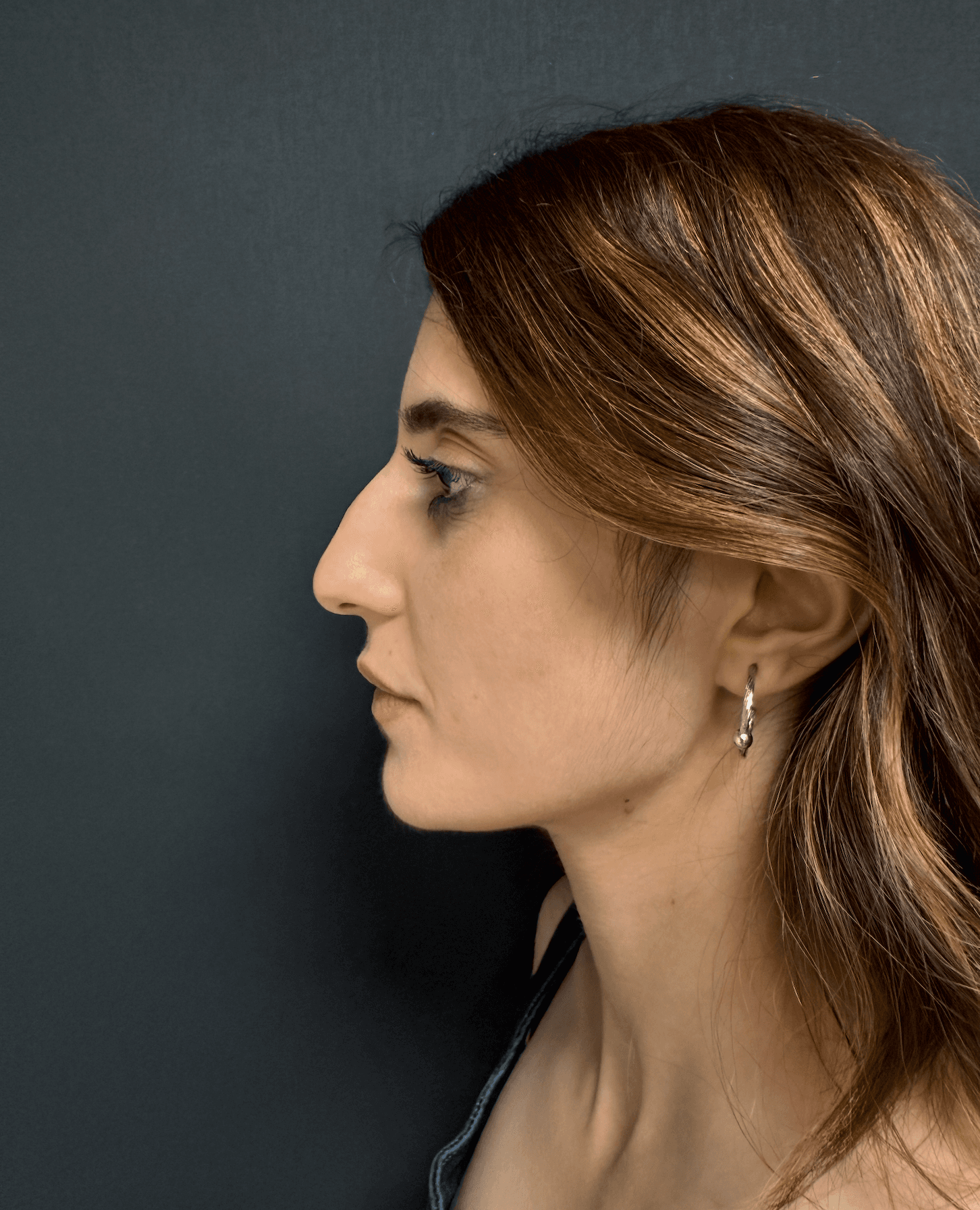

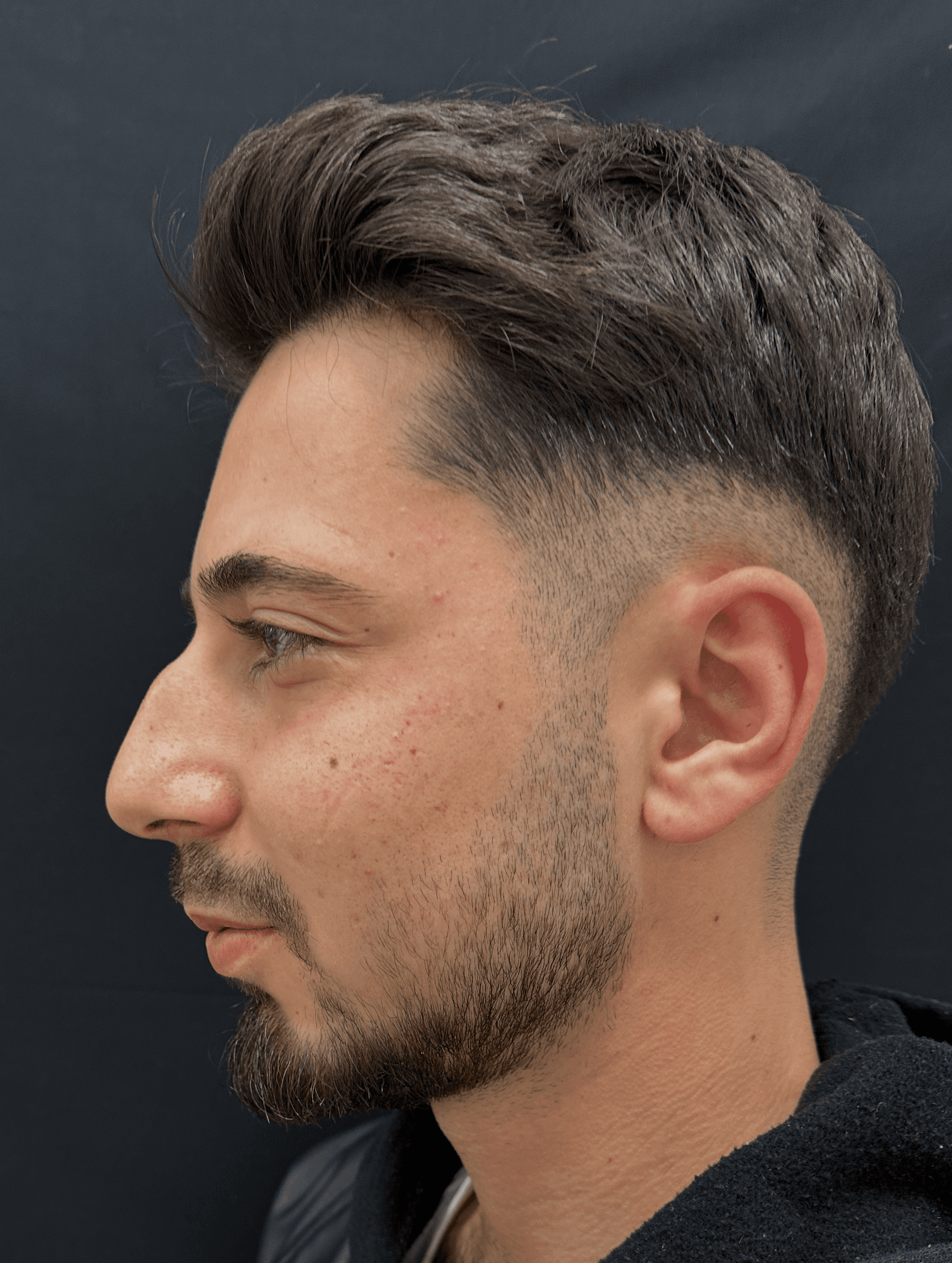
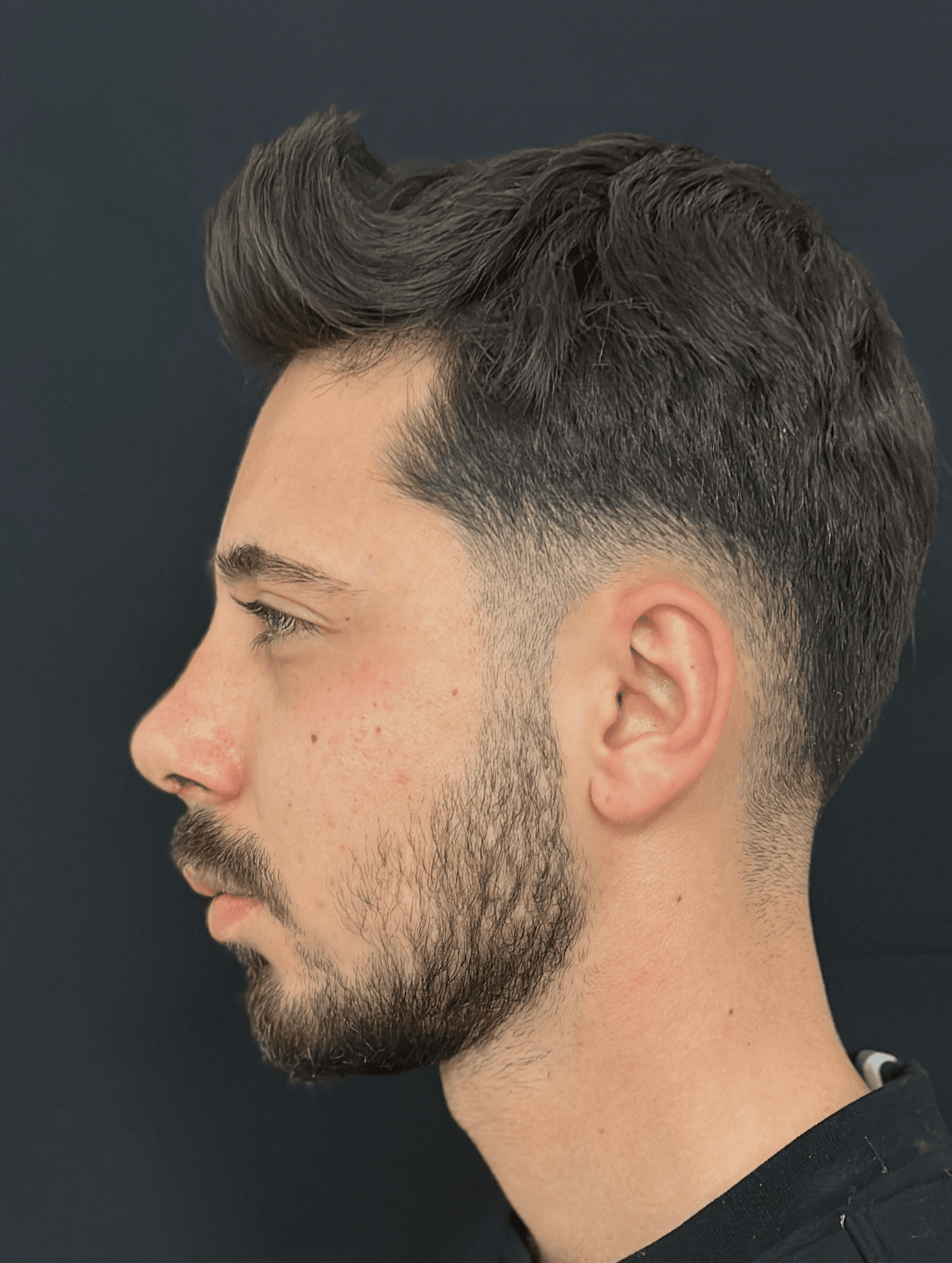


Results in any surgical or interventional procedure may vary from person to person. It is recommended that you get detailed information from your physician before the procedure.